


At the heart of our groundbreaking research are our people — a diverse and dynamic group of experts who bring their unique skills and perspectives to the table. Our team comprises talented professionals from some of the world's leading universities, each contributing their extensive knowledge and experience to advance our project.

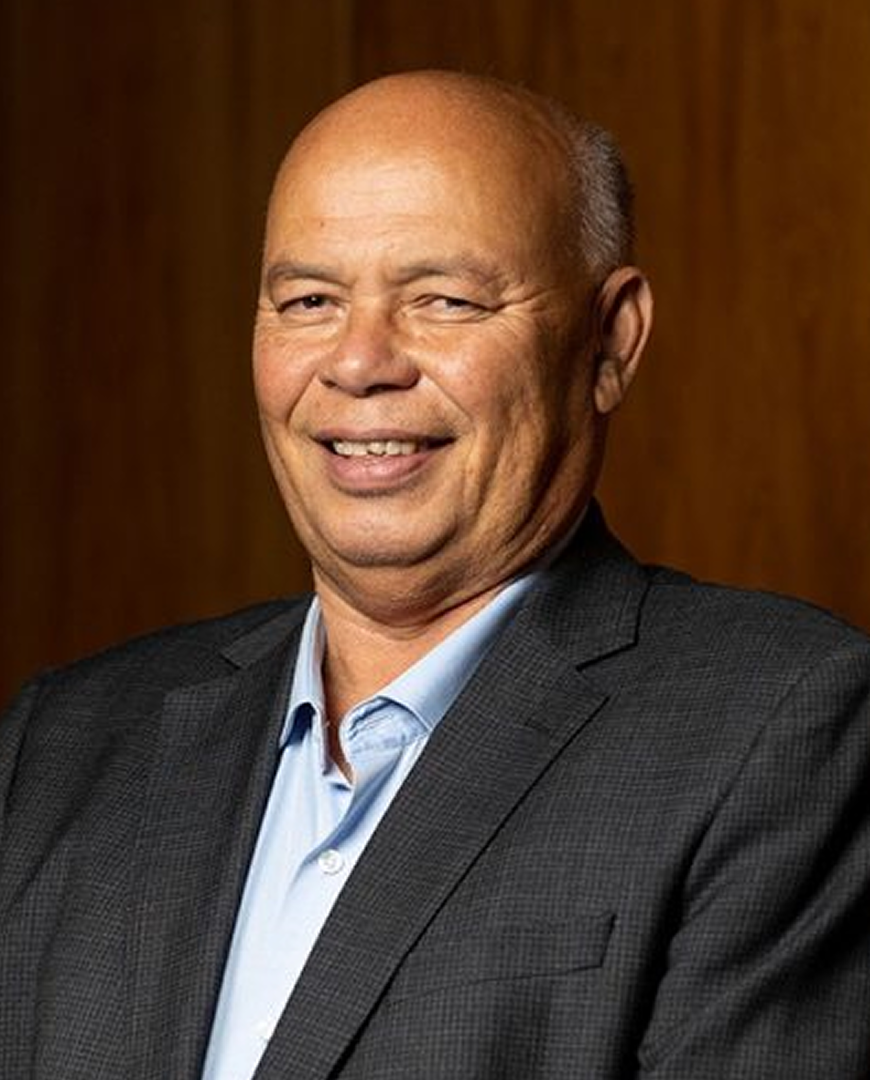



Jose is a professor-researcher at Tecnologico Nacional de Mexico/Instituto Tecnologico de Hermosillo for 35+ years, holding degrees in Power Electronics. He served in diverse academic roles, including Director and Head of Graduate Studies. A Senior Member of IEEE societies, he's a recognised Researcher Level I by SNI. Jose leads applied research projects on energy efficiency and focuses on wireless sensor networks for Energy Management and low-power sensors.

Jose is a professor-researcher at Tecnologico Nacional de Mexico/Instituto Tecnologico de Hermosillo for 35+ years, holding degrees in Power Electronics. He served in diverse academic roles, including Director and Head of Graduate Studies. A Senior Member of IEEE societies, he's a recognised Researcher Level I by SNI. Jose leads applied research projects on energy efficiency and focuses on wireless sensor networks for Energy Management and low-power sensors.

Daniel Fernando Espejel Blanco holds a degree in Industrial Electronics Engineering (1996) and a Master of Science in Industrial Engineering (2001) from the Technological Institute of Hermosillo, Mexico. He completed a PhD in Sciences in Engineering at the Technological Institute of Tuxtla Gutiérrez in 2022. Since 1997, he's a full-time professor at the Technological Institute of Hermosillo, researching Semiconductors, Energy Efficiency, Buildings Energy Management, and Renewable Energy Systems.
Daniel Fernando Espejel Blanco holds a degree in Industrial Electronics Engineering (1996) and a Master of Science in Industrial Engineering (2001) from the Technological Institute of Hermosillo, Mexico. He completed a PhD in Sciences in Engineering at the Technological Institute of Tuxtla Gutiérrez in 2022. Since 1997, he's a full-time professor at the Technological Institute of Hermosillo, researching Semiconductors, Energy Efficiency, Buildings Energy Management, and Renewable Energy Systems.
%20(1).jpg)
Professor Abdramane Soura is Director of the Institut Supérieur des Sciences de la Population (ISSP) at the Université Joseph Ki-Zerbo in Ouagadougou. He has extensive experience in institutional management and strategic planning. He has been coordinator of several research projects in the health field. He has over 80 publications in international scientific journals to his credit, and several dozen communications at international conferences. He is the author or co-author of three books.
Professor Abdramane Soura is Director of the Institut Supérieur des Sciences de la Population (ISSP) at the Université Joseph Ki-Zerbo in Ouagadougou. He has extensive experience in institutional management and strategic planning. He has been coordinator of several research projects in the health field. He has over 80 publications in international scientific journals to his credit, and several dozen communications at international conferences. He is the author or co-author of three books.

Dr. Noah Bunkley, a medical doctor and public health registrar, leads the REFLECT project at NZ's College of Public Health Medicine and pursues a PhD at the University of Auckland. He prioritises global health equity, focusing on environmental challenges like climate change and commercial health factors. His Pacific research covers surgical care access and trade agreement impacts on nutrition policy. Based in Auckland, he fights global climate change effects.
Dr. Noah Bunkley, a medical doctor and public health registrar, leads the REFLECT project at NZ's College of Public Health Medicine and pursues a PhD at the University of Auckland. He prioritises global health equity, focusing on environmental challenges like climate change and commercial health factors. His Pacific research covers surgical care access and trade agreement impacts on nutrition policy. Based in Auckland, he fights global climate change effects.

Dr. Sinha is a registrar and associate professor at Indian Institute of Public Health Gandhinagar (IIPHG). Dr. Sinha is MD in community Medicine. He served as Surveillance Medical Officer with WHO-NPSP, where he worked extensively for polio eradication and Routine Immunization in various states of India. He also worked with UNDP and implemented Electronic Vaccine Intelligence Network (eVIN) in Gujarat. He also facilitated eVIN implementation in Indonesia. His expertise includes environmental and occupational health, climate change and immunization.
Dr. Sinha is a registrar and associate professor at Indian Institute of Public Health Gandhinagar (IIPHG). Dr. Sinha is MD in community Medicine. He served as Surveillance Medical Officer with WHO-NPSP, where he worked extensively for polio eradication and Routine Immunization in various states of India. He also worked with UNDP and implemented Electronic Vaccine Intelligence Network (eVIN) in Gujarat. He also facilitated eVIN implementation in Indonesia. His expertise includes environmental and occupational health, climate change and immunization.

Associate Professor Donald John Wilson is a respected leader in public health, research, and medical education, with a career spanning clinical medicine, academia, and international collaboration. Trained as a medical doctor in Fiji and holding a PhD in Environmental Epidemiology from Japan, he has further strengthened his leadership through executive training at Oxford’s Saïd Business School. As Associate Dean Research at Fiji National University’s College of Medicine, Nursing and Health Sciences, he founded and leads the Fiji Institute of Pacific Health Research (FIPHR), building a dynamic ecosystem of research centres, a national ethics committee, and strong regional and global partnerships. He has held key leadership roles including Acting Dean and Head of the School of Public Health, guiding academic programmes and institutional growth. His research spans communicable and non-communicable diseases, environmental and occupational health, and health systems strengthening, with a strong focus on real-world impact across the Pacific. He has overseen externally funded initiatives worth over FJD 6.1 million, including national COVID-19 serosurveys and climate-sensitive disease interventions. Known for building teams and driving innovation, he continues to shape evidence-based health policy and research capacity in Fiji and the wider Pacific region.
Associate Professor Donald John Wilson is a respected leader in public health, research, and medical education, with a career spanning clinical medicine, academia, and international collaboration. Trained as a medical doctor in Fiji and holding a PhD in Environmental Epidemiology from Japan, he has further strengthened his leadership through executive training at Oxford’s Saïd Business School. As Associate Dean Research at Fiji National University’s College of Medicine, Nursing and Health Sciences, he founded and leads the Fiji Institute of Pacific Health Research (FIPHR), building a dynamic ecosystem of research centres, a national ethics committee, and strong regional and global partnerships. He has held key leadership roles including Acting Dean and Head of the School of Public Health, guiding academic programmes and institutional growth. His research spans communicable and non-communicable diseases, environmental and occupational health, and health systems strengthening, with a strong focus on real-world impact across the Pacific. He has overseen externally funded initiatives worth over FJD 6.1 million, including national COVID-19 serosurveys and climate-sensitive disease interventions. Known for building teams and driving innovation, he continues to shape evidence-based health policy and research capacity in Fiji and the wider Pacific region.
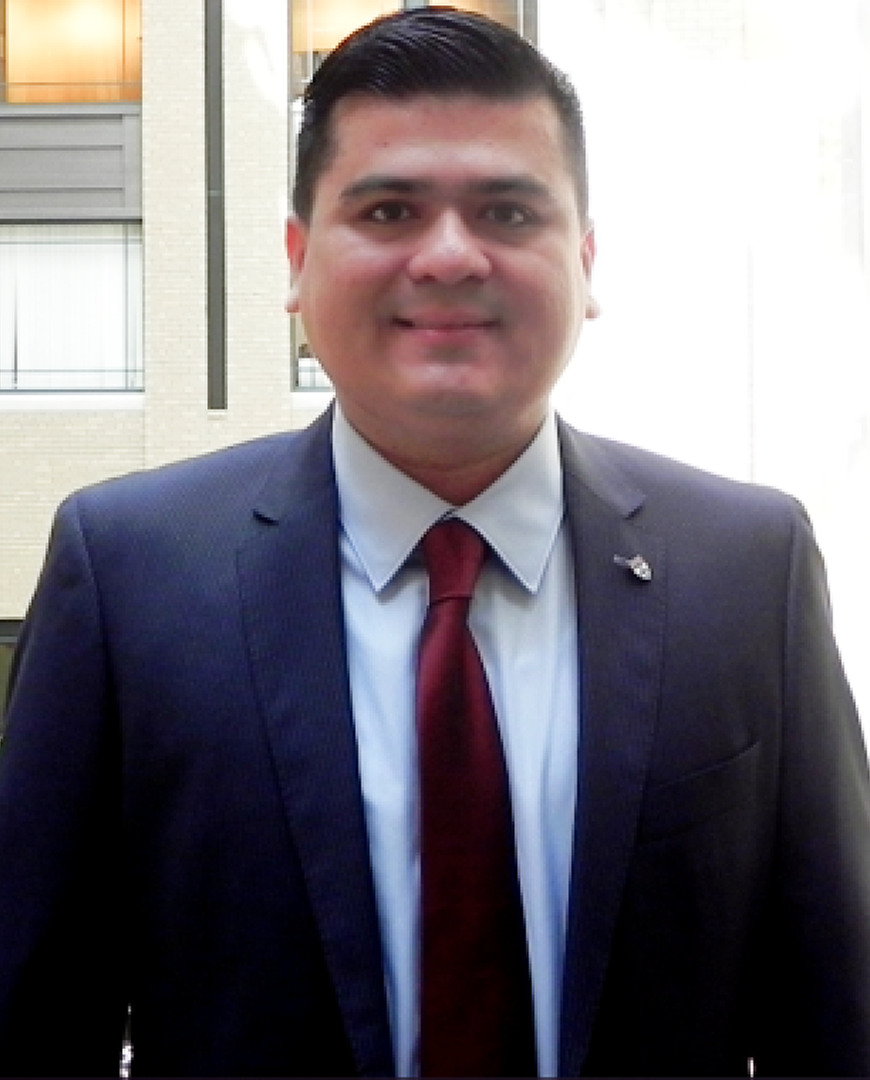
Oliver Mendoza-Cano, D.Sc., a Professor at the University of Colima (Mexico), specializes in environmental epidemiology, focusing on climate change and population health. He leads interdisciplinary research on environmental exposure, heat-related arboviruses, and public health impacts, integrating modeling and field studies. His work emphasizes climate adaptation strategies, environmental toxicology, and health-economic evaluation to inform policy in low- and middle-income settings.
Oliver Mendoza-Cano, D.Sc., a Professor at the University of Colima (Mexico), specializes in environmental epidemiology, focusing on climate change and population health. He leads interdisciplinary research on environmental exposure, heat-related arboviruses, and public health impacts, integrating modeling and field studies. His work emphasizes climate adaptation strategies, environmental toxicology, and health-economic evaluation to inform policy in low- and middle-income settings.

Dr. Ali Sié, MD, PhD, is an epidemiologist and senior scientist at Burkina Faso's Nouna Health Research Centre. With over 20 years in public health, he specializes in infectious disease epidemiology, health systems research, and program evaluation. He has led numerous research projects, published 150+ articles, and actively collaborates internationally, serving on various scientific and management boards.
Dr. Ali Sié, MD, PhD, is an epidemiologist and senior scientist at Burkina Faso's Nouna Health Research Centre. With over 20 years in public health, he specializes in infectious disease epidemiology, health systems research, and program evaluation. He has led numerous research projects, published 150+ articles, and actively collaborates internationally, serving on various scientific and management boards.

Jama'l, born and raised in Niue, earned a BA in Economics and Marine Affairs from the University of the South Pacific and a Masters in Public Policy from the University of Auckland. She is deeply committed to climate change advocacy, focusing on mental wellbeing, safety, and security in grassroot communities. Jama'l collaborates with women, youth groups, and the Government of Niue, emphasizing climate justice, capacity building, and strategic relocation efforts.
Jama'l, born and raised in Niue, earned a BA in Economics and Marine Affairs from the University of the South Pacific and a Masters in Public Policy from the University of Auckland. She is deeply committed to climate change advocacy, focusing on mental wellbeing, safety, and security in grassroot communities. Jama'l collaborates with women, youth groups, and the Government of Niue, emphasizing climate justice, capacity building, and strategic relocation efforts.

Dr. Saxena is a director of Indian Institute of Public Health Gandhinagar (IIPHG). Dr. Saxena is MD in community Medicine and PhD in Epidemiology. He did his Post Doc in Public Health from Karolinska Institute Stockholm, Sweden. He is also Leading the Centre for One Health Education, Research & Development (COHERD) at the IIPHG. He has over 25 years of experience in the field of public health. He has made significant contribution to science with over 150 publications in peer-reviewed journals, 5 books on Epidemiology, and 3 monographs.
Dr. Saxena is a director of Indian Institute of Public Health Gandhinagar (IIPHG). Dr. Saxena is MD in community Medicine and PhD in Epidemiology. He did his Post Doc in Public Health from Karolinska Institute Stockholm, Sweden. He is also Leading the Centre for One Health Education, Research & Development (COHERD) at the IIPHG. He has over 25 years of experience in the field of public health. He has made significant contribution to science with over 150 publications in peer-reviewed journals, 5 books on Epidemiology, and 3 monographs.

Avelina Rokoduru is a seasoned researcher, educator, and activist with extensive experience in sexual and reproductive health, gender issues, and migration studies across the Pacific and Asia. She has worked with vulnerable groups including people living with HIV, sex workers, youth, prisoners, LGBTQI communities, and seafarers, focusing on risk behaviours, family planning, and gender-based violence. Her expertise has been recognized by international organizations such as UNAIDS, UNFPA, UN Women, and SPC, as well as Pacific governments and civil society groups, where she has contributed to policy development, advocacy, and program evaluation. Her career spans over three decades, beginning as a secondary school teacher before moving into academia and research. She taught history and politics at the University of the South Pacific, later serving for 17 years as Research Centre Coordinator and Director at Fiji National University’s Pacific Sexual & Reproductive Health Research Centre. Alongside her academic leadership, she has held consultancy roles with UN agencies and coordinated regional initiatives on HIV/AIDS. Currently, she is pursuing her PhD at the University of Otago, furthering her commitment to advancing knowledge and social development in the Pacific region.
Avelina Rokoduru is a seasoned researcher, educator, and activist with extensive experience in sexual and reproductive health, gender issues, and migration studies across the Pacific and Asia. She has worked with vulnerable groups including people living with HIV, sex workers, youth, prisoners, LGBTQI communities, and seafarers, focusing on risk behaviours, family planning, and gender-based violence. Her expertise has been recognized by international organizations such as UNAIDS, UNFPA, UN Women, and SPC, as well as Pacific governments and civil society groups, where she has contributed to policy development, advocacy, and program evaluation. Her career spans over three decades, beginning as a secondary school teacher before moving into academia and research. She taught history and politics at the University of the South Pacific, later serving for 17 years as Research Centre Coordinator and Director at Fiji National University’s Pacific Sexual & Reproductive Health Research Centre. Alongside her academic leadership, she has held consultancy roles with UN agencies and coordinated regional initiatives on HIV/AIDS. Currently, she is pursuing her PhD at the University of Otago, furthering her commitment to advancing knowledge and social development in the Pacific region.

Martha L. Michel-Peregrina, a medical doctor with studies in Public Health, is currently in her second-semester PhD student in Global Environmental Change at the University of Colima. Her research focuses on analyzing the impact of environmental change on the health and well-being of populations.
Martha L. Michel-Peregrina, a medical doctor with studies in Public Health, is currently in her second-semester PhD student in Global Environmental Change at the University of Colima. Her research focuses on analyzing the impact of environmental change on the health and well-being of populations.

Dr. Yasobant, a global health scientist, holds a public health doctorate from the University of Bonn, Germany. Leading initiatives at IHPH and IIPHG, he's Adjunct Faculty at Datta Meghe Institute of Medical Sciences and an Associate Researcher at the University of Bonn. As Editor-in-Chief at Dialogues in Health, he specialises in One Health, Disease Prevention, and Environmental Health. With 70+ articles, he conducts extensive research in India, Ghana, and Southeast Asia, holding an h-index of 15 & i10-index of 22 (as of Oct 2023).
Dr. Yasobant, a global health scientist, holds a public health doctorate from the University of Bonn, Germany. Leading initiatives at IHPH and IIPHG, he's Adjunct Faculty at Datta Meghe Institute of Medical Sciences and an Associate Researcher at the University of Bonn. As Editor-in-Chief at Dialogues in Health, he specialises in One Health, Disease Prevention, and Environmental Health. With 70+ articles, he conducts extensive research in India, Ghana, and Southeast Asia, holding an h-index of 15 & i10-index of 22 (as of Oct 2023).
Timoci Naivalulevu is a project manager and climate change specialist based in Suva, Fiji, with over a decade of experience working across grassroots communities, academic institutions, and international development projects. His work focuses on promoting climate change adaptation and mitigation by integrating traditional environmental knowledge with modern scientific approaches. He emphasizes that national policies must originate from community needs, ensuring that small island developing states (SIDS) benefit directly. At Fiji National University, he currently manages the WISH-Pacific Project and has coordinated major initiatives such as the Strategic Environmental and Social Assessment of Vanuatu’s REDD+ program. Previously, Timoci served as a Senior Scientific Officer at USP’s Institute of Applied Sciences, a CSO Engagement Officer with the Australian Government’s Fiji Program Support Facility, and a Community Liaison Specialist at USP’s Pacific Center for Environment and Sustainable Development. His earlier roles with Live & Learn Environmental Education involved coordinating climate change adaptation projects across multiple provinces in Fiji, focusing on natural resource management, WASH, and sustainable livelihoods. Throughout his career, he has consistently combined technical expertise with community engagement, building resilience and advancing sustainable development across the Pacific.
Timoci Naivalulevu is a project manager and climate change specialist based in Suva, Fiji, with over a decade of experience working across grassroots communities, academic institutions, and international development projects. His work focuses on promoting climate change adaptation and mitigation by integrating traditional environmental knowledge with modern scientific approaches. He emphasizes that national policies must originate from community needs, ensuring that small island developing states (SIDS) benefit directly. At Fiji National University, he currently manages the WISH-Pacific Project and has coordinated major initiatives such as the Strategic Environmental and Social Assessment of Vanuatu’s REDD+ program. Previously, Timoci served as a Senior Scientific Officer at USP’s Institute of Applied Sciences, a CSO Engagement Officer with the Australian Government’s Fiji Program Support Facility, and a Community Liaison Specialist at USP’s Pacific Center for Environment and Sustainable Development. His earlier roles with Live & Learn Environmental Education involved coordinating climate change adaptation projects across multiple provinces in Fiji, focusing on natural resource management, WASH, and sustainable livelihoods. Throughout his career, he has consistently combined technical expertise with community engagement, building resilience and advancing sustainable development across the Pacific.

Dr. Raúl Aquino Santos is a leading researcher in applied technology and disaster risk management. Within the REFLECT project framework, he contributes to advancing resilient, data-driven solutions for environmental monitoring and early warning systems, integrating AI and IoT to enhance climate adaptation and support decision-making in vulnerable regions.
Dr. Raúl Aquino Santos is a leading researcher in applied technology and disaster risk management. Within the REFLECT project framework, he contributes to advancing resilient, data-driven solutions for environmental monitoring and early warning systems, integrating AI and IoT to enhance climate adaptation and support decision-making in vulnerable regions.

Dr. Dileep Mavalankar, an esteemed public health expert, served as the Director of IIPHG and Vice President of PHFI's western region until May 2023. He's now a Distinguished Honorary Professor at IIPHG. His career includes roles as Dean at IIPH, Gandhinagar, post-doctoral fellow at NIH, USA, and Senior Management Advisor at Columbia University. With extensive experience in public health program management, particularly in maternal health, Dr. Mavalankar has also been a consultant to numerous global organizations and government bodies.
Dr. Dileep Mavalankar, an esteemed public health expert, served as the Director of IIPHG and Vice President of PHFI's western region until May 2023. He's now a Distinguished Honorary Professor at IIPHG. His career includes roles as Dean at IIPH, Gandhinagar, post-doctoral fellow at NIH, USA, and Senior Management Advisor at Columbia University. With extensive experience in public health program management, particularly in maternal health, Dr. Mavalankar has also been a consultant to numerous global organizations and government bodies.
Isoa Vakarewa is the Country Manager for the RISE Project in Fiji, a Monash University-led initiative revitalizing informal settlements by improving water and sanitation systems through nature-based solutions. The project emphasizes community co-design, disaster risk reduction, gender inclusion, and climate resilience, trialing water-sensitive approaches across 12 informal settlements in Suva to generate scientific evidence on health and environmental impacts. His leadership ensures communities benefit from sustainable, locally driven solutions that combine scientific innovation with traditional knowledge. With over 15 years of experience, Isoa began as a National Trainer for Adolescent Health at Fiji’s Ministry of Health, later serving as a Health Technical Trainer with the Peace Corps. He then became Project Manager at the Adventist Development Relief Agency Fiji, overseeing health, water management, and training initiatives. Drawing on this extensive background in grassroots engagement and project management, he now leads RISE’s Fiji operations, empowering informal settlements with sustainable infrastructure and practices that strengthen resilience and improve quality of life.
Isoa Vakarewa is the Country Manager for the RISE Project in Fiji, a Monash University-led initiative revitalizing informal settlements by improving water and sanitation systems through nature-based solutions. The project emphasizes community co-design, disaster risk reduction, gender inclusion, and climate resilience, trialing water-sensitive approaches across 12 informal settlements in Suva to generate scientific evidence on health and environmental impacts. His leadership ensures communities benefit from sustainable, locally driven solutions that combine scientific innovation with traditional knowledge. With over 15 years of experience, Isoa began as a National Trainer for Adolescent Health at Fiji’s Ministry of Health, later serving as a Health Technical Trainer with the Peace Corps. He then became Project Manager at the Adventist Development Relief Agency Fiji, overseeing health, water management, and training initiatives. Drawing on this extensive background in grassroots engagement and project management, he now leads RISE’s Fiji operations, empowering informal settlements with sustainable infrastructure and practices that strengthen resilience and improve quality of life.
Yolitzy Cárdenas is a professor at the University of Colima (Mexico) with a background in medical sciences. Her work focuses on basic science studies of chronic non-communicable diseases. In addition, she conducts applied biomedical research using a mixed-methods approach to address population-based health problems.
Yolitzy Cárdenas is a professor at the University of Colima (Mexico) with a background in medical sciences. Her work focuses on basic science studies of chronic non-communicable diseases. In addition, she conducts applied biomedical research using a mixed-methods approach to address population-based health problems.

Priyanka Shah, a research coordinator at the Indian Institute of Public Health Gandhinagar (IIPHG) and PhD scholar, has over a decade of experience in environmental health, occupational hazards, and climate resilience. She leads projects like Heat Action Plans, and Cool Roofs initiative. At NIOH-ICMR, she conducted studies on 3D motion analysis, thermal stress monitoring, and ergonomics, applying advanced research techniques and statistical tools like SPSS and R for data analysis.
Priyanka Shah, a research coordinator at the Indian Institute of Public Health Gandhinagar (IIPHG) and PhD scholar, has over a decade of experience in environmental health, occupational hazards, and climate resilience. She leads projects like Heat Action Plans, and Cool Roofs initiative. At NIOH-ICMR, she conducted studies on 3D motion analysis, thermal stress monitoring, and ergonomics, applying advanced research techniques and statistical tools like SPSS and R for data analysis.
Dr. Gade Waqa is the Director of the Pacific Research Centre for the Prevention of Obesity and Non-Communicable Diseases (C-POND) at Fiji National University and a PhD graduate from Deakin University. She leads research and policy initiatives addressing obesity, nutrition, and NCDs in the Pacific, positioning C-POND as a WHO Collaborating Centre for Obesity Prevention and Management. She has an extensive background in public health research, having served as a Senior Research Fellow at the Fiji School of Medicine. Her work has focused on sociocultural factors influencing food choices, adolescent obesity prevention, and knowledge brokering between researchers and policymakers. Widely published, she has contributed to studies on obesity prevention and salt reduction in Fiji, demonstrating significant health and cost-saving impacts. As Director of C-POND, she continues to champion integrative approaches that connect research with policy, equipping Pacific nations to tackle the growing burden of non-communicable diseases.
Dr. Gade Waqa is the Director of the Pacific Research Centre for the Prevention of Obesity and Non-Communicable Diseases (C-POND) at Fiji National University and a PhD graduate from Deakin University. She leads research and policy initiatives addressing obesity, nutrition, and NCDs in the Pacific, positioning C-POND as a WHO Collaborating Centre for Obesity Prevention and Management. She has an extensive background in public health research, having served as a Senior Research Fellow at the Fiji School of Medicine. Her work has focused on sociocultural factors influencing food choices, adolescent obesity prevention, and knowledge brokering between researchers and policymakers. Widely published, she has contributed to studies on obesity prevention and salt reduction in Fiji, demonstrating significant health and cost-saving impacts. As Director of C-POND, she continues to champion integrative approaches that connect research with policy, equipping Pacific nations to tackle the growing burden of non-communicable diseases.

Full-time researcher and professor at the Faculty of Architecture and Design, University of Colima, Doctor in Architecture (with honors) and SNI Level 2 researcher. Researcher in urbanism, gender and security urban studies, and ecological planning; led nationally and internationally supported urbanization projects for central Colima and housing for female-headed households.
Full-time researcher and professor at the Faculty of Architecture and Design, University of Colima, Doctor in Architecture (with honors) and SNI Level 2 researcher. Researcher in urbanism, gender and security urban studies, and ecological planning; led nationally and internationally supported urbanization projects for central Colima and housing for female-headed households.

Isireli Koroituku is the Project Manager of the REFLECT Fiji Trial, a global heat adaptation study led by the Fiji Institute of Pacific Health Research (FIPHR) in partnership with the University of Auckland. The project examines how informal settlements in Fiji can adapt to rising temperatures, linking local climate resilience efforts to similar studies in Burkina Faso, India, Mexico, and Niue. His role involves coordinating stakeholder consultations, community engagement, and data collection to ensure that the realities of Fijian communities shape the design and implementation of the trial. He holds a Master’s in Infectious Diseases Intelligence from UNSW and a Bachelor of Public Health from Fiji National University. Over the past decade, he has worked extensively in communicable disease surveillance and research, including roles as National Epidemiology Surveillance Coordinator at Fiji CDC, Communicable Diseases Surveillance Officer with WHO, and Vaccine Preventable Diseases Surveillance Officer under the Fiji Health Sector Support Program. He is also a member of the Asia-Pacific Vaccine Research Network, contributing to regional initiatives that strengthen vaccine research and policy decision-making. With expertise in epidemiology, monitoring and evaluation, and cross-sector collaboration, Isireli continues to play a pivotal role in advancing Fiji’s public health resilience against infectious diseases and climate-related health challenges.
Isireli Koroituku is the Project Manager of the REFLECT Fiji Trial, a global heat adaptation study led by the Fiji Institute of Pacific Health Research (FIPHR) in partnership with the University of Auckland. The project examines how informal settlements in Fiji can adapt to rising temperatures, linking local climate resilience efforts to similar studies in Burkina Faso, India, Mexico, and Niue. His role involves coordinating stakeholder consultations, community engagement, and data collection to ensure that the realities of Fijian communities shape the design and implementation of the trial. He holds a Master’s in Infectious Diseases Intelligence from UNSW and a Bachelor of Public Health from Fiji National University. Over the past decade, he has worked extensively in communicable disease surveillance and research, including roles as National Epidemiology Surveillance Coordinator at Fiji CDC, Communicable Diseases Surveillance Officer with WHO, and Vaccine Preventable Diseases Surveillance Officer under the Fiji Health Sector Support Program. He is also a member of the Asia-Pacific Vaccine Research Network, contributing to regional initiatives that strengthen vaccine research and policy decision-making. With expertise in epidemiology, monitoring and evaluation, and cross-sector collaboration, Isireli continues to play a pivotal role in advancing Fiji’s public health resilience against infectious diseases and climate-related health challenges.

Full-time researcher and professor at the Faculty of Architecture and Design, University of Colima, Doctor in Architecture (with honors) and SNI Level 2 researcher. Researcher in urbanism, gender and security urban studies, and ecological planning; led nationally and internationally supported urbanization projects for central Colima and housing for female-headed households.
Full-time researcher and professor at the Faculty of Architecture and Design, University of Colima, Doctor in Architecture (with honors) and SNI Level 2 researcher. Researcher in urbanism, gender and security urban studies, and ecological planning; led nationally and internationally supported urbanization projects for central Colima and housing for female-headed households.

Dr Shailee Patil is a public health professional with a Master’s in Public Health and is pursuing her PhD at the Indian Institute of Public Health Gandhinagar (IIPHG). As a Project Coordinator at IIPHG, she has led projects in One Health, climate and environmental health, and nutrition. She has seven publications, one copyright, and an h-index of 2. Her skills include project management, proposal and manuscript writing, and developing training materials and policy briefs. Fluent in English and Hindi, Dr Patil is passionate about advancing global health through research, education, and advocacy.
Dr Shailee Patil is a public health professional with a Master’s in Public Health and is pursuing her PhD at the Indian Institute of Public Health Gandhinagar (IIPHG). As a Project Coordinator at IIPHG, she has led projects in One Health, climate and environmental health, and nutrition. She has seven publications, one copyright, and an h-index of 2. Her skills include project management, proposal and manuscript writing, and developing training materials and policy briefs. Fluent in English and Hindi, Dr Patil is passionate about advancing global health through research, education, and advocacy.

Ajit Thakor holds a Master’s degree in Social Work (MSW) and has been working with the Indian Institute of Public Health Gandhinagar (IIPHG) since 2020. Currently serving as a Field Supervisor for the REFLECT Cool Roof Project, Ajit brings strong leadership and hands-on experience in community-based initiatives. He has actively contributed to several major projects, including the Stunting Hub Project, Poshan Abhiyaan, and the One Health initiative. With deep expertise in field operations, Ajit is recognized for his practical approach and commitment to impactful grassroots work.
Ajit Thakor holds a Master’s degree in Social Work (MSW) and has been working with the Indian Institute of Public Health Gandhinagar (IIPHG) since 2020. Currently serving as a Field Supervisor for the REFLECT Cool Roof Project, Ajit brings strong leadership and hands-on experience in community-based initiatives. He has actively contributed to several major projects, including the Stunting Hub Project, Poshan Abhiyaan, and the One Health initiative. With deep expertise in field operations, Ajit is recognized for his practical approach and commitment to impactful grassroots work.
Peni Lebaivalu is a health economist and public health professional with extensive experience in communicable disease surveillance and response in Fiji. He currently serves as the Acting National Surveillance and Response Officer at the Ministry of Health & Medical Services and Fiji Centre for Disease Control, where he oversees monitoring and timely responses to outbreaks. His career includes nearly a decade as Divisional Surveillance and Response Officer in the Western Division, where he managed syndromic and event-based reporting through the Early Warning Reporting System (EWARS), trained health facility staff, and coordinated outbreak responses in line with national strategies. Alongside his public health career, Peni has gained international exposure through academic and community roles in Australia, including serving as a Student Leader at Deakin University’s English Language Institute and working as a School Crossing Supervisor with the City of Boroondara. He holds a master’s degree in health economics from Deakin University, a Postgraduate Certificate in Field Epidemiology, and a bachelor’s degree in public health from Fiji National University. His blend of technical expertise in surveillance systems, health economics, and grassroots engagement positions him as a valuable contributor to strengthening health systems and improving public health outcomes in Fiji and beyond.
Peni Lebaivalu is a health economist and public health professional with extensive experience in communicable disease surveillance and response in Fiji. He currently serves as the Acting National Surveillance and Response Officer at the Ministry of Health & Medical Services and Fiji Centre for Disease Control, where he oversees monitoring and timely responses to outbreaks. His career includes nearly a decade as Divisional Surveillance and Response Officer in the Western Division, where he managed syndromic and event-based reporting through the Early Warning Reporting System (EWARS), trained health facility staff, and coordinated outbreak responses in line with national strategies. Alongside his public health career, Peni has gained international exposure through academic and community roles in Australia, including serving as a Student Leader at Deakin University’s English Language Institute and working as a School Crossing Supervisor with the City of Boroondara. He holds a master’s degree in health economics from Deakin University, a Postgraduate Certificate in Field Epidemiology, and a bachelor’s degree in public health from Fiji National University. His blend of technical expertise in surveillance systems, health economics, and grassroots engagement positions him as a valuable contributor to strengthening health systems and improving public health outcomes in Fiji and beyond.

Ph.D. in Latin American Studies from Tulane University, she has been a full‑time professor at the School of Social Work, University of Colima. Experienced researcher in rural development, social land tenure, families, older adults, and migrant families, she has led funded projects, published and contributed to gender and social policy.
Ph.D. in Latin American Studies from Tulane University, she has been a full‑time professor at the School of Social Work, University of Colima. Experienced researcher in rural development, social land tenure, families, older adults, and migrant families, she has led funded projects, published and contributed to gender and social policy.

Jeet Raval is a committed public health professional with a basic degree in Psychology from Gujarat University. He serves as a Field Supervisor, REFLECT-Cool Roof Ahmedabad site at the Indian Institute of Public Health Gandhinagar (IIPHG). Earlier, he has experienced in diverse community based field projects such as TMEAD, Stunting Against COVID & Malnutrition, and GMDC. Jeet is recognized for his strong communication skills, effective decision-making, and ability to convey complex ideas with clarity and impact.
Jeet Raval is a committed public health professional with a basic degree in Psychology from Gujarat University. He serves as a Field Supervisor, REFLECT-Cool Roof Ahmedabad site at the Indian Institute of Public Health Gandhinagar (IIPHG). Earlier, he has experienced in diverse community based field projects such as TMEAD, Stunting Against COVID & Malnutrition, and GMDC. Jeet is recognized for his strong communication skills, effective decision-making, and ability to convey complex ideas with clarity and impact.

Doctor in Architecture (2017) and part-time professor at the University of Colima, she specializes in rural urbanization and rural segregation in Colima, leading master's and doctoral research under CONACyT. Experienced researcher and construction professional, she combines urban‑architectural design, construction management, and asphalt plant control in both academic and industry roles.
Doctor in Architecture (2017) and part-time professor at the University of Colima, she specializes in rural urbanization and rural segregation in Colima, leading master's and doctoral research under CONACyT. Experienced researcher and construction professional, she combines urban‑architectural design, construction management, and asphalt plant control in both academic and industry roles.
Doctoral student in Architecture (University of Colima), holding a 2020 Master of Architecture. Experienced researcher in territorial management, housing vacancy, and metropolitan expansion; master's thesis on territorial reserves and doctoral research on vacant housing regulating Colima–Villa de Álvarez growth. Teaches architecture and actively practices urban and territorial planning.
Doctoral student in Architecture (University of Colima), holding a 2020 Master of Architecture. Experienced researcher in territorial management, housing vacancy, and metropolitan expansion; master's thesis on territorial reserves and doctoral research on vacant housing regulating Colima–Villa de Álvarez growth. Teaches architecture and actively practices urban and territorial planning.

PhD in medical sciences and MD specializing in internal medicine, research professor at the University of Colima. She has participated in biomedical research, teaching, and science communication, focusing on chronic diseases and health. She also collaborates on academic training and interdisciplinary projects with a gender perspective.
PhD in medical sciences and MD specializing in internal medicine, research professor at the University of Colima. She has participated in biomedical research, teaching, and science communication, focusing on chronic diseases and health. She also collaborates on academic training and interdisciplinary projects with a gender perspective.

PhD in Medical Sciences, is a full-time professor and researcher at the University of Colima, where he also coordinates the Master’s Program in Clinical Nutrition. His work focuses on nutrition, public health, and food security. He is a member of the Mexican Academy of Sciences and serves as an editor at BMC Public Health.
PhD in Medical Sciences, is a full-time professor and researcher at the University of Colima, where he also coordinates the Master’s Program in Clinical Nutrition. His work focuses on nutrition, public health, and food security. He is a member of the Mexican Academy of Sciences and serves as an editor at BMC Public Health.

Chris Bullen, a New Zealand physician and Professor of Public Health at the University of Auckland, specializes in non-communicable diseases, global health equity, housing's health impact, and environmental health. With expertise in tobacco control and over 250 peer-reviewed papers, Dr. Bullen focuses on cost-effective interventions for health issues in New Zealand and low- to middle-income nations. As President of the Society for Research on Nicotine and Tobacco, Dr. Bullen makes substantial contributions to this field.
Chris Bullen, a New Zealand physician and Professor of Public Health at the University of Auckland, specializes in non-communicable diseases, global health equity, housing's health impact, and environmental health. With expertise in tobacco control and over 250 peer-reviewed papers, Dr. Bullen focuses on cost-effective interventions for health issues in New Zealand and low- to middle-income nations. As President of the Society for Research on Nicotine and Tobacco, Dr. Bullen makes substantial contributions to this field.

Sir Ashley Bloomfield KNZM MBChB MPH FNZCPHM specialises in public health, emphasizing health equity, primary care, and non-communicable diseases. Knighted in 2023 for leading New Zealand's COVID-19 health response, he's now a Professor at the University of Auckland's School of Public Health. Leading the Public Policy Impact Institute, he fosters collaboration among researchers, communities, and policymakers to amplify research impact.
Sir Ashley Bloomfield KNZM MBChB MPH FNZCPHM specialises in public health, emphasizing health equity, primary care, and non-communicable diseases. Knighted in 2023 for leading New Zealand's COVID-19 health response, he's now a Professor at the University of Auckland's School of Public Health. Leading the Public Policy Impact Institute, he fosters collaboration among researchers, communities, and policymakers to amplify research impact.


Susan specialises in intersectional feminist research, developed CADAA, and authored interdisciplinary papers. Her work includes big data and social media analysis. Previously, she led a major research project on militarization's social media footprint. She holds a PhD in political science.
Susan specialises in intersectional feminist research, developed CADAA, and authored interdisciplinary papers. Her work includes big data and social media analysis. Previously, she led a major research project on militarization's social media footprint. She holds a PhD in political science.

Jonathan Buonocore, Sc.D., an Assistant Professor at Boston University's School of Public Health, specialises in air pollution's health impacts due to climate policies and energy changes. He developed BenMAPR for advanced pollutant analysis and leads projects on transportation, electricity, oil & gas, and their health impacts. His research emphasizes climate policy health benefits, oil & gas emissions, geothermal networks, building energy changes' benefits, and energy infrastructure equity assessment.
Jonathan Buonocore, Sc.D., an Assistant Professor at Boston University's School of Public Health, specialises in air pollution's health impacts due to climate policies and energy changes. He developed BenMAPR for advanced pollutant analysis and leads projects on transportation, electricity, oil & gas, and their health impacts. His research emphasizes climate policy health benefits, oil & gas emissions, geothermal networks, building energy changes' benefits, and energy infrastructure equity assessment.


Elaine, Human Health Research (HHRS) Digital Lead at the HHRS Platform hosted by the Liggins Institute, contributes to the project management of REFLECT. She holds Masters degrees in Communications and Public Health from the University of the Philippines and the University of Auckland, respectively. A Philippines native, now based in New Zealand since 2009, Elaine has over 20 years of experience in international development, covering areas like Tuberculosis, sanitation, environmental governance, and public health.
Elaine, Human Health Research (HHRS) Digital Lead at the HHRS Platform hosted by the Liggins Institute, contributes to the project management of REFLECT. She holds Masters degrees in Communications and Public Health from the University of the Philippines and the University of Auckland, respectively. A Philippines native, now based in New Zealand since 2009, Elaine has over 20 years of experience in international development, covering areas like Tuberculosis, sanitation, environmental governance, and public health.

Dr. Bhavsar is currently working as a Project Coordinator at Indian Institute of Public Health Gandhinagar (IIPHG) for Ahmedabad site. She also pursues PhD in Public Health from IIPHG. Her research areas of expertise are One Health, Water Sanitation and Hygiene (WASH), Climate Resilience, Environmental Health and Biostatistics. During her research career she has actively engaged in tool development, providing training, applying advance research techniques, field supervision, content or module development, data analysis, case study development, and scientific writing.
Dr. Bhavsar is currently working as a Project Coordinator at Indian Institute of Public Health Gandhinagar (IIPHG) for Ahmedabad site. She also pursues PhD in Public Health from IIPHG. Her research areas of expertise are One Health, Water Sanitation and Hygiene (WASH), Climate Resilience, Environmental Health and Biostatistics. During her research career she has actively engaged in tool development, providing training, applying advance research techniques, field supervision, content or module development, data analysis, case study development, and scientific writing.

Dr Yannan Jiang is a Senior Research Fellow at the University of Auckland and Senior Biostatistician for the REFLECT study. She provides statistical leadership across all stages of the research process, including study design, data management, analysis, interpretation, and reporting. Yannan has extensive experience supporting large-scale national and international health research projects and works closely with multidisciplinary teams to ensure high-quality and robust research outcomes. She is also the Lead Biostatistician for the Global Vaccine Data Network (GVDN), where she leads statistical activities for multinational studies investigating vaccine safety and effectiveness. Yannan has authored more than 200 peer-reviewed publications and is an invited statistical reviewer for a range of international medical journals.
Dr Yannan Jiang is a Senior Research Fellow at the University of Auckland and Senior Biostatistician for the REFLECT study. She provides statistical leadership across all stages of the research process, including study design, data management, analysis, interpretation, and reporting. Yannan has extensive experience supporting large-scale national and international health research projects and works closely with multidisciplinary teams to ensure high-quality and robust research outcomes. She is also the Lead Biostatistician for the Global Vaccine Data Network (GVDN), where she leads statistical activities for multinational studies investigating vaccine safety and effectiveness. Yannan has authored more than 200 peer-reviewed publications and is an invited statistical reviewer for a range of international medical journals.

Sika is a specialty chemicals company with a globally leading position in the development and production of systems and products for bonding, sealing, damping, reinforcing, and protecting in the building sector. Sika has subsidiaries in 103 countries, manufactures in over 400 factories, and develops innovative technologies for customers around the world that facilitate the sustainable transformation. With more than 33,000 employees, the company generated sales of CHF 11.2 billion in 2023. Within the Target Market “Roofing”, Sustainability and energy topics are a constant focus. Technologies such as Cool Roofs or Green Roofs, as well as mounting systems for PV plants on flat roofs have a high importance.

Waterproofing is SOPREMA's core business, since its creation in 1908, the independent family group has established itself as one of the pioneers in this field. It is with this expertise that SOPREMA accompanies you in your roof or terrace projects. This surface plays a major role in the sustainable construction of buildings, whether collective or individual, thanks in particular to its functionalization: cooling cities, producing energy or managing rainwater. As a key player in the construction sector, it is SOPREMA’s duty to work towards more sustainable buildings. As a founding member of the European Cool Roofs Council (ECRC), SOPREMA is committed to tackling urban heat islands and offers a comprehensive range of solutions to achieve both waterproofing and Cool Roof functionality of the roof, regardless of the building type, both new and renovated.

Since 1946, Resene has forged a reputation of excellence and quality in manufacturing paint and specialist coatings. Resene has been active in the heat reflective market since 2004, with the introduction of innovative Resene CoolColour heat reflective technology for paints, coatings and wood stains designed and made in New Zealand to reduce heat build up in exterior coatings and substrates. All waterborne Resene CoolColour products are also Eco Choice Aotearoa approved, an independent eco-labelling programme endorsed by the Ministry for the Environment.

EPS provides high-performance resins and colourants for coatings manufacturers to formulate innovative coatings for architectural, industrial, and construction applications, including cool roof coatings.

Habitat for Humanity New Zealand is driven by its vision of a world where everyone has a decent place to live. As part of the global Habitat for Humanity network, operating in more than 70 countries, Habitat New Zealand works to address substandard housing and improve access to safe, healthy and affordable homes. Through programmes delivered across New Zealand, the Pacific and beyond, Habitat helps build and improve homes while advocating for fair and decent housing. Recognising that a decent home is fundamental to good health, education, security and opportunity, Habitat is committed to helping people and communities thrive. Its involvement in the REFLECT project, particularly the research being undertaken in Niue, supports this vision by contributing to evidence that can help improve housing and health outcomes for communities.

The Tindall Foundation is one of New Zealand's leading philanthropic organisations, supporting initiatives that strengthen communities and improve wellbeing across Aotearoa New Zealand. Established in 1994, the Foundation partners with charities and community organisations to create positive, lasting social and environmental impact.
As a supporter of the REFLECT project, The Tindall Foundation is helping advance research into how healthier housing can improve health and wellbeing. By supporting this work, the Foundation is contributing to evidence that will inform practical, sustainable housing solutions and help improve the lives of communities in New Zealand and the Pacific.

The Pacific Community (SPC) is the principal scientific and technical organisation supporting the development of Pacific Island countries and territories. For more than 75 years, SPC has worked with Pacific governments and partners to strengthen health, climate resilience and sustainable development across the region. As a partner in the REFLECT project, SPC has supported the implementation of the project in Niue, contributing regional expertise and collaboration to research exploring how healthier housing can improve health and wellbeing. This work helps generate evidence to inform practical, sustainable housing solutions for Pacific communities.


